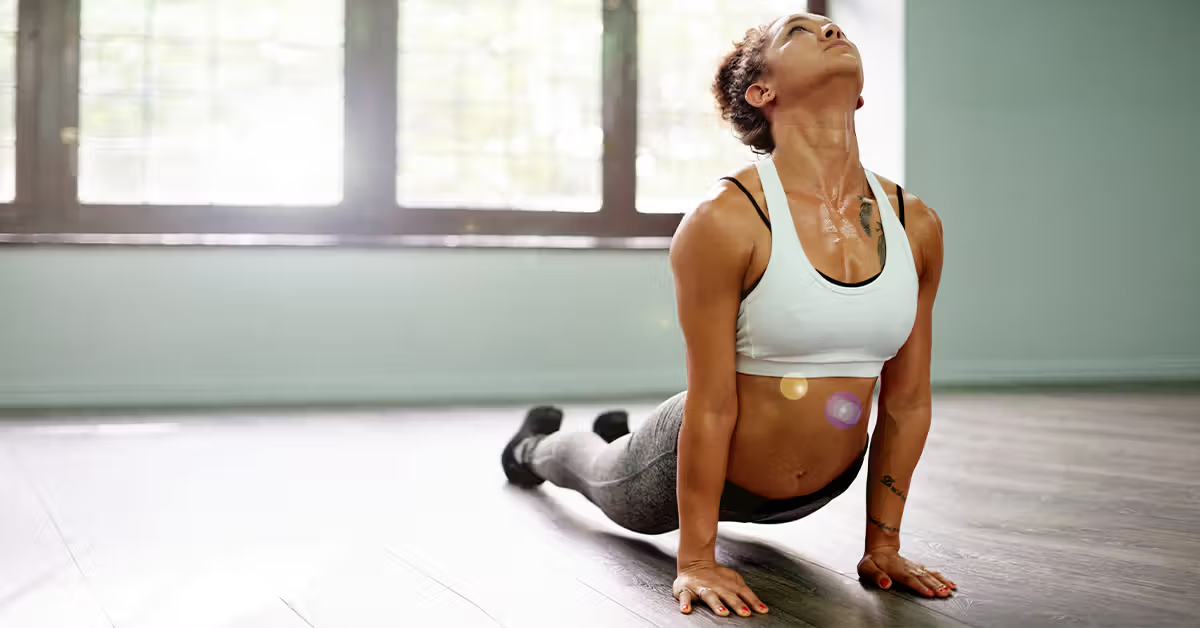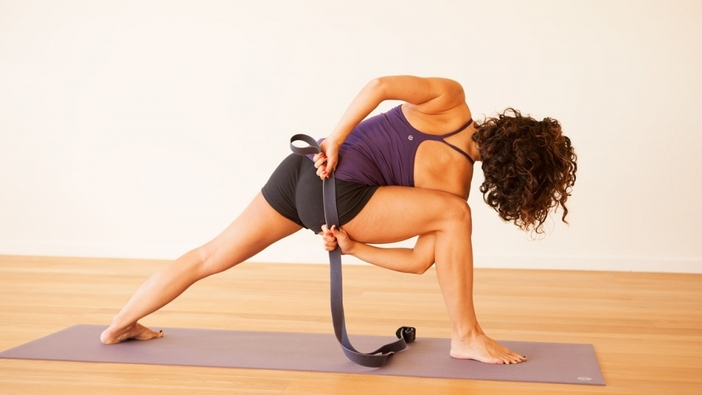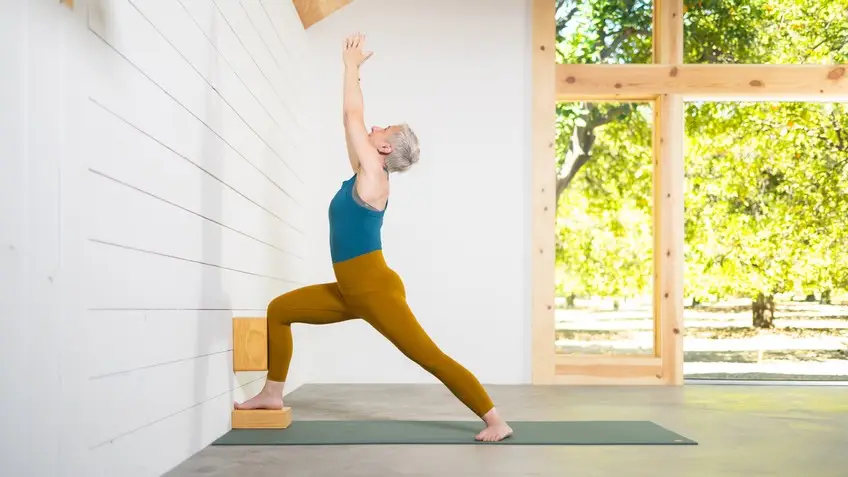
Iyengar yoga stands out because it drills down on perfect alignment and uses simple props like blocks, belts, blankets, and walls to make every pose accessible and safe. Unlike flowy vinyasa classes that rush through movements, Iyengar holds poses longer so your body learns to feel exactly where it should be. For runners who pound miles with tight quads, hamstrings, and calves, this methodical approach turns stiffness into strength without forcing anything.
Why Runners Specifically Need Iyengar Yoga
Running builds power but often leaves your body lopsided—tight hips pulling your pelvis forward, weak stabilizers letting knees cave in, and calves screaming after long efforts. Iyengar yoga fixes that imbalance by teaching you to feel and correct every micro-adjustment in real time. It doesn’t just stretch; it rebuilds the awareness that prevents the classic runner injuries like IT-band syndrome or plantar fasciitis. You’ll finish a session feeling lighter on your feet, exactly like the award-winning runners who swear by it for that “weightless swing” in their stride.
The Science-Backed Benefits of Iyengar Yoga for Runners
Iyengar yoga delivers targeted results because every pose works with your breath and anatomy instead of against it. You gain flexibility without sacrificing stability, and that translates directly to better running economy. Studies and countless runner testimonials show reduced injury rates, faster recovery, and even improved VO2 max from the core and postural work. The props make it forgiving on race-fatigued joints while still building the endurance your legs need for those final miles.
Injury Prevention Through Precise Alignment
When your hips sit level and your knees track over your ankles in every lunge and forward fold, the repetitive stress of running stops wearing down the same spots. Iyengar teachers catch those tiny misalignments that regular stretching misses, so you head off problems before they start. One runner I know traced her chronic knee pain to a slight hip tilt she’d carried for decades; three months of Iyengar fixed it permanently.
Enhanced Flexibility Without Losing Strength
Long holds in supported poses lengthen tight running muscles while the props keep your joints stable so you don’t overstretch. Your hamstrings open, calves release, and psoas loosens—all while your core and glutes stay engaged. The result? Longer, more efficient strides without the usual post-run tightness that turns you into a stiff-legged zombie the next day.
Better Posture and Running Form
Forward head, rounded shoulders, and anterior pelvic tilt are runner trademarks that waste energy and invite back pain. Iyengar’s wall work and standing poses train your spine to stay neutral and your shoulders to stay broad even when fatigue sets in. You’ll catch yourself mid-run thinking, “Chest open, pelvis level,” and suddenly your pace feels smoother.
Faster Recovery and Mental Resilience
After a hard tempo run, a 20-minute Iyengar cool-down flushes lactic acid and calms your nervous system better than any foam roller. The quiet, focused breathing also builds the grit you need when the wall hits at mile 20. Runners often say the mental clarity they gain on the mat carries straight into race-day focus.
Essential Iyengar Yoga Poses Every Runner Should Master
These poses zero in on the exact areas runners overuse or neglect. Do them with props so you can hold them safely and feel the alignment cues your body desperately needs.
Hamstring Openers That Save Your Stride
Tight hamstrings pull on your lower back and shorten your stride—classic recipe for low-back pain. Half Uttanasana against the wall keeps your spine straight while you lengthen the backs of your legs. Utthita Hasta Padangusthasana uses a belt or ledge to stretch one leg at a time, teaching your standing leg to stay strong and stable.
Calf and Ankle Releasers for Bulletproof Feet
Runners live in their calves. Tadasana with a rolled blanket under the balls of your feet gently lowers your heels and teaches the outer ankles to stay strong. Parsvottanasana with hands on the wall targets the back-leg calf while keeping your hips square—pure gold after long runs.
Quad and Psoas Lengtheners to Unlock Your Hips
Virasana and its reclined variations open the fronts of your thighs and hip flexors that get locked short from all that forward driving. Supta Virasana with bolsters under your back lets even stiff runners sink in safely. These poses give you the hip extension you need for powerful push-off without straining your knees.
Groin and IT-Band Openers for Balanced Legs
Utthita Hasta Padangusthasana II takes the leg out to the side to target adductors that runners often ignore until they pull. Gomukhasana threads the legs into a cow-face shape that stretches the outer hips and IT band—exactly where tightness shows up as side-of-knee pain.
Core and Stabilizer Builders
Navasana strengthens the deep abdominals that keep your pelvis steady mile after mile. Dandasana teaches you to sit tall with legs straight, firing the same muscles that hold your form when fatigue tries to collapse you.
A Complete 30-Minute Iyengar Sequence for Runners
Do this sequence right after your run or on easy days. It flows logically from standing to seated to supine so your body stays warm and open.
- Tadasana with blanket under balls of feet – 1 minute per side for calves.
- Half Uttanasana at wall – 90 seconds for hamstrings and spine.
- Utthita Hasta Padangusthasana I – 1 minute each side with belt.
- Utthita Hasta Padangusthasana II – 45 seconds each side for groins.
- Parsvottanasana – 1 minute each side.
- Virabhadrasana I – 45 seconds each side for psoas.
- Virasana – 2 minutes with blocks under hips.
- Supta Padangusthasana I & III – 90 seconds each variation.
- Gomukhasana legs – 1 minute each side.
- Navasana – 3 rounds of 20 seconds.
- Savasana with legs up the wall – 5–10 minutes.
Move slowly, breathe steadily, and adjust props until every pose feels supported.
Props That Make Iyengar Yoga Runner-Proof
You don’t need a fancy studio. Grab a yoga mat, two blocks, a strap, a blanket, and a wall or sturdy chair. These tools let you hold poses longer without strain, so your tight runner body actually benefits instead of fighting back. Beginners especially love how props turn “impossible” into “I feel that stretch exactly where I need it.”
How Often Should Runners Practice Iyengar Yoga
Two to three sessions a week is the sweet spot—enough to rebalance your body without stealing recovery time from running. Many marathoners do a quick 20-minute post-run sequence daily and a full class once a week. Listen to your body: if your legs feel heavy, swap a run for yoga and watch your next workout feel fresher.
Common Mistakes Runners Make (and How to Fix Them)
Pushing too deep too soon is the biggest one—your ego wants the full split, but your IT band says no. Always use props and back off until alignment is perfect. Another classic is holding your breath during intense stretches; Iyengar insists on smooth, even breathing so your nervous system stays calm. And skipping the wall work? You miss the feedback that teaches your body new habits. Fix these and your yoga actually sticks.
Iyengar Yoga vs. Other Styles for Runners: A Quick Comparison
| Aspect | Iyengar Yoga | Vinyasa/Flow Yoga | Yin Yoga |
|---|---|---|---|
| Focus | Alignment & precision | Breath-movement flow | Passive deep stretches |
| Props | Heavily used | Rarely used | Bolsters & blocks common |
| Hold Times | 30–90 seconds | Short, dynamic | 3–5 minutes |
| Injury Prevention | Excellent (teaches correct form) | Good if teacher cues well | Great for flexibility |
| Strength Building | High (long holds build endurance) | Moderate | Low |
| Best for Runners | When you want to fix imbalances | For warm-up or active recovery | For deep release on rest days |
Iyengar wins for runners who want to run faster and longer without breaking down.
Real Runner Stories That Prove It Works
Kathy Cook, senior Iyengar teacher, shares stories of marathoners who discovered lifelong hip misalignment through simple seated poses. One award-winning runner realized he’d been loading his right leg unevenly for 25 years—yoga gave him the awareness to fix it and stay pain-free. Another friend of mine shaved minutes off his half-marathon PR after six weeks of consistent Iyengar because his stride finally opened up. These aren’t hype; they’re the quiet transformations that keep runners coming back.
People Also Ask About Iyengar Yoga for Runners
Is Iyengar yoga good for beginners who run?
Absolutely. The props make every pose beginner-friendly while still delivering runner-specific benefits.
How is Iyengar yoga different from regular yoga for runners?
It emphasizes exact alignment and longer holds instead of flowing, so you correct imbalances rather than just move through them.
Can Iyengar yoga help me prevent runner’s knee?
Yes—by strengthening stabilizers and opening tight quads and IT bands with precise, supported poses.
Do I need special props for Iyengar yoga as a runner?
A belt, blocks, and blanket turn your living room into an effective studio.
How soon will I notice benefits from Iyengar yoga?
Most runners feel looser within two weeks and see stride improvements in four to six weeks.
Frequently Asked Questions
What is the best time to practice Iyengar yoga for runners?
Right after an easy run or on rest days works best—your muscles are warm and ready to release.
Can Iyengar yoga replace my strength training?
It complements weights beautifully but doesn’t fully replace targeted glute and core work—use both.
Is there a difference between Iyengar and Ashtanga for runners?
Iyengar is slower and more alignment-focused; Ashtanga is vigorous and heat-building. Most runners prefer Iyengar for recovery and precision.
Do I need a certified Iyengar teacher?
Start with one if possible—they’re trained to spot runner-specific issues you might miss on your own.
Can I do Iyengar yoga if I have a current running injury?
Yes, but choose a therapeutic class or work one-on-one; props make it adaptable and safe.
Ready to Lace Up With Better Alignment?
Iyengar yoga isn’t just another cross-training fad—it’s the missing piece that turns good runners into resilient ones who stay in the game for decades. Grab your props, roll out your mat, and give that 30-minute sequence a try after your next run. Your future self—stronger, faster, and pain-free—will thank you. Start today, and watch your miles feel lighter than ever.