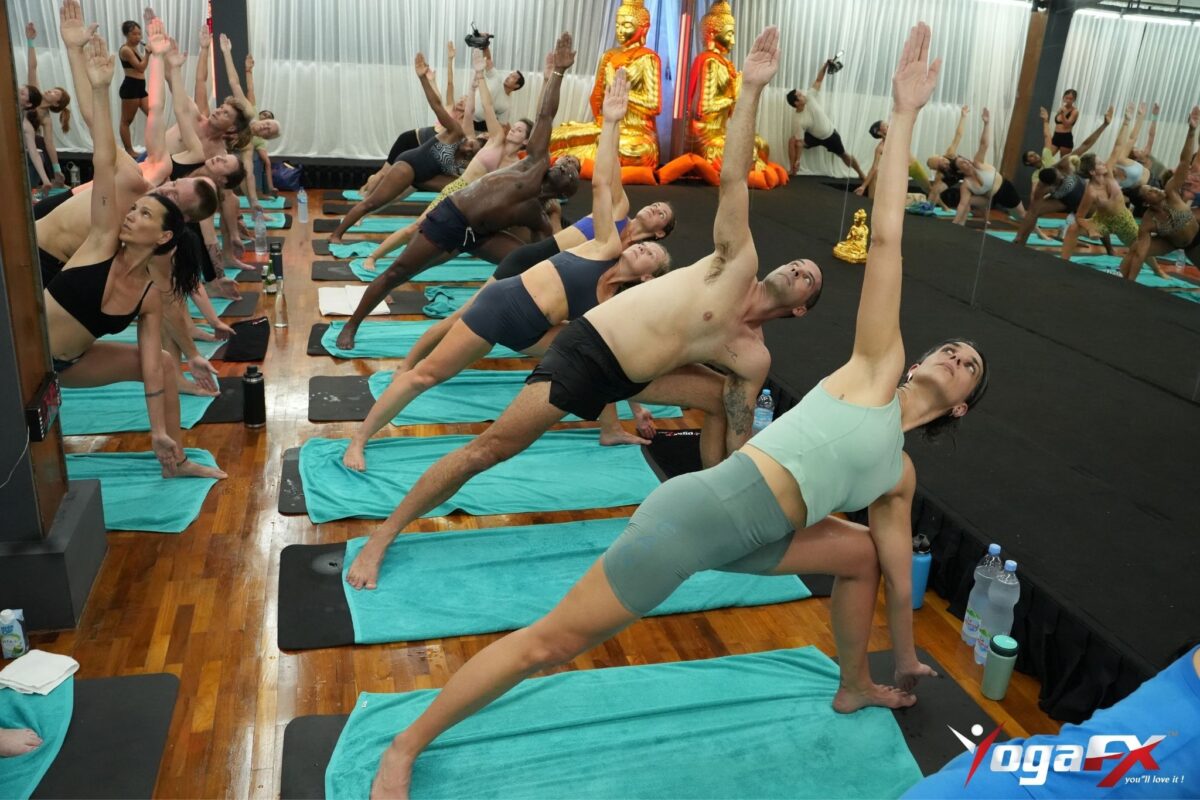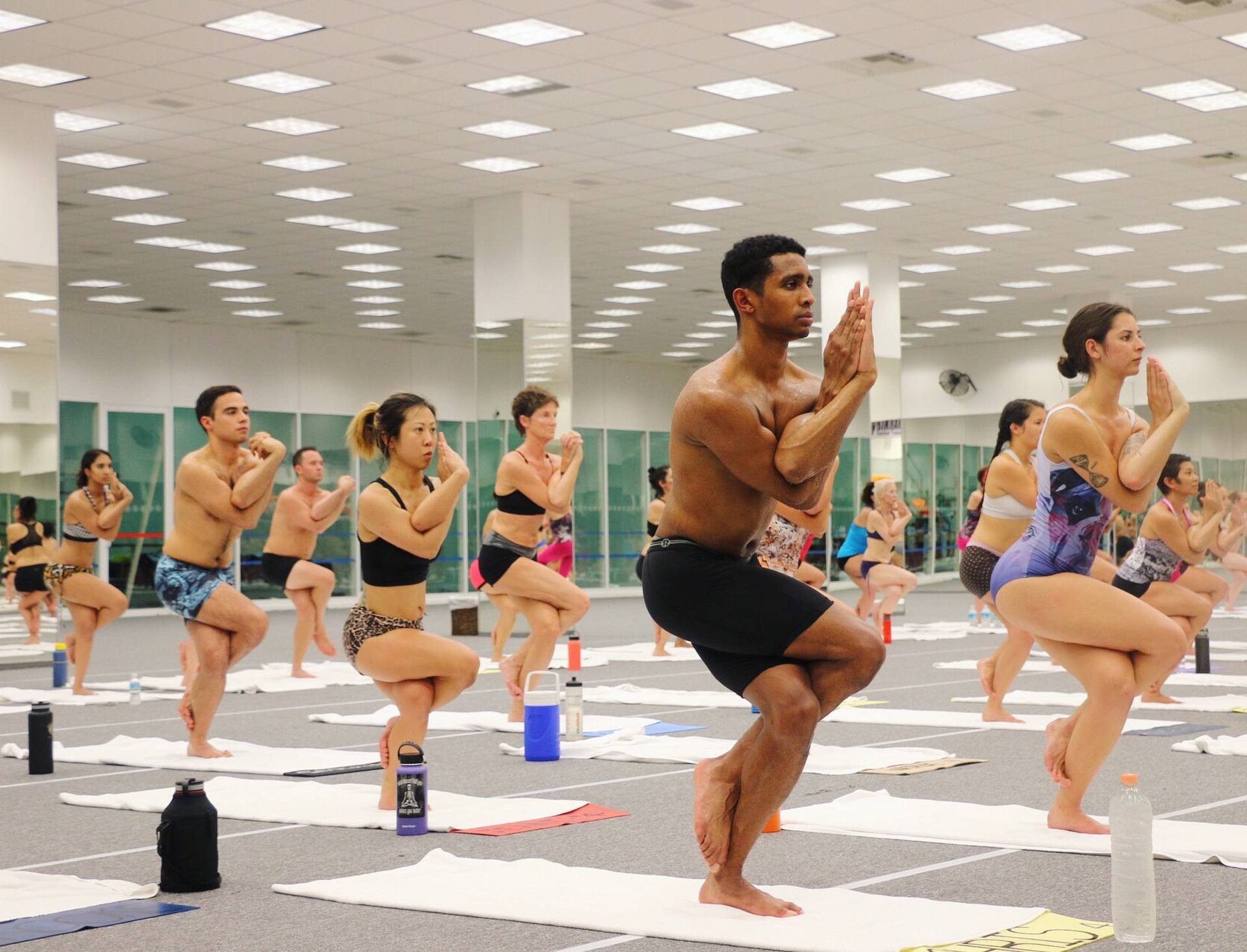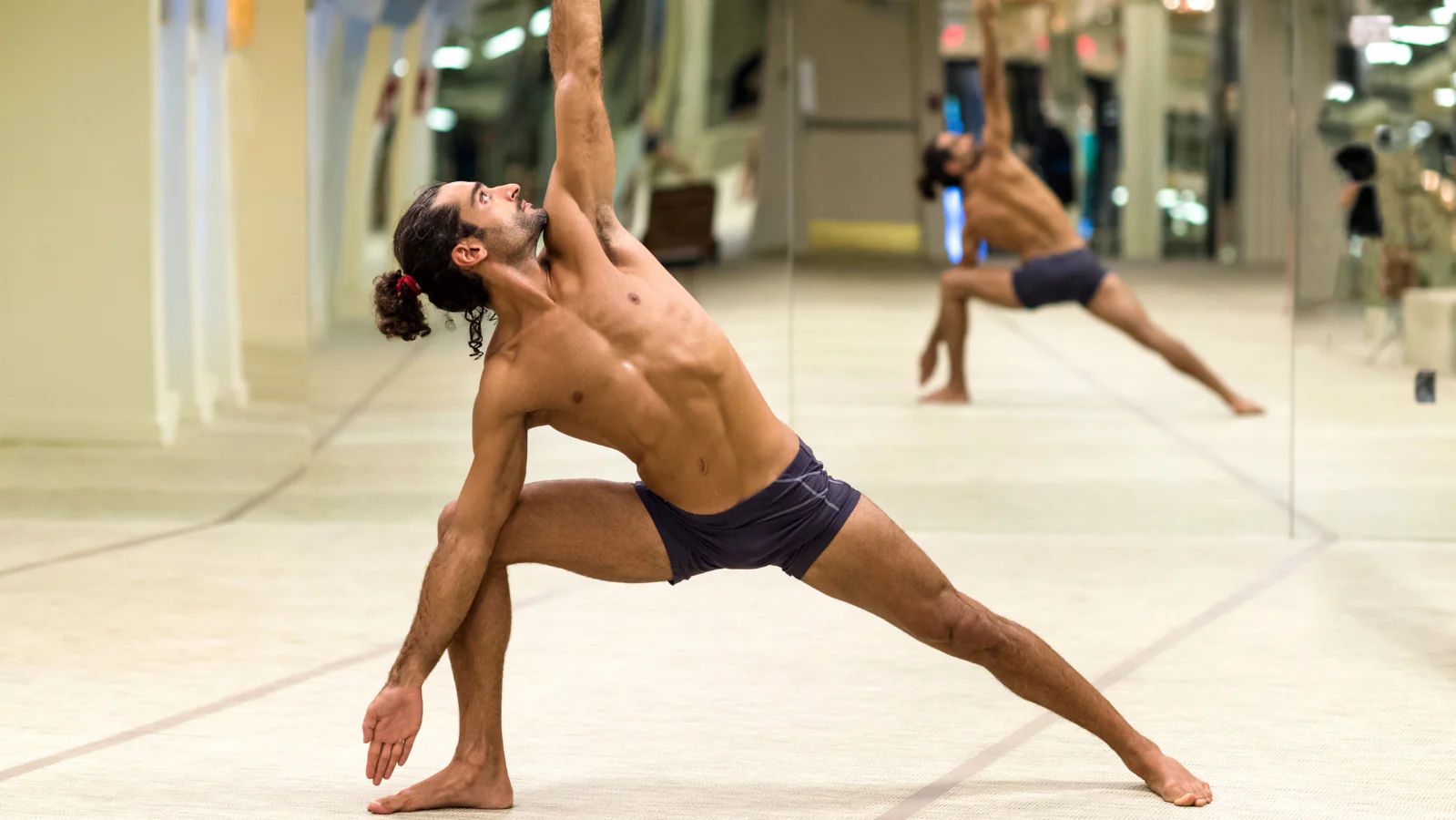
You step into a room that feels like a sauna on steroids—105 degrees, humid enough to make your glasses fog, mirrors on every wall reflecting your sweaty struggle. Ninety minutes later, you’re dripping, exhausted, and somehow lighter. That’s the magic (and madness) of hot yoga, the practice that exploded across the globe thanks to one man’s vision. But peel back the layers, and the story isn’t just about sweat and stretches. It’s about a Kolkata kid who turned bodybuilding into a billion-dollar brand, a guru’s teachings twisted into a rigid sequence, and a rise so dramatic it crashed hard under its own weight. This is the real, unfiltered origin of hot yoga—the one the glossy studio brochures rarely tell.
The Ancient Roots That Bikram Built On
Yoga has existed in India for thousands of years, but hot yoga as we know it today is a modern invention layered onto ancient Hatha practices. Traditional yogis in steamy Calcutta didn’t crank up heaters; the climate did the work. What Bikram Choudhury inherited came from his teacher, Bishnu Charan Ghosh, who ran a College of Physical Education focused on therapeutic yoga for healing injuries and building strength. Ghosh, brother to the famous Paramahansa Yogananda, emphasized physical postures as medicine. Bikram didn’t invent the poses—he borrowed and refined them. Without that foundation, there’d be no 90-minute sweat fest. It’s a reminder that even “new” trends stand on centuries of quiet wisdom from India’s ashrams and gymnasiums.
Bikram Choudhury: The Man, the Myths, and the Muscle
Born in 1944 in Calcutta, Bikram Choudhury grew up athletic and ambitious. He loved bodybuilding before yoga ever entered the picture. Official records and later investigations show he didn’t start training under Ghosh until age 18 in 1962—not the toddler prodigy story he often told. His claims of winning three national yoga championships as a teen? Also debunked; India’s first such event happened in 1974, after he’d already left. These exaggerations weren’t harmless—they helped craft the larger-than-life persona that sold millions on his method. Still, the guy could move. In six intense months under Ghosh, he soaked up asanas and pieced together a practical sequence for the masses. It wasn’t pure invention; it was smart curation.
Japan: The Accidental Birthplace of the Heat
Picture this: early 1970s, Bikram teaching in Japan. Students hit the sauna between classes, and he noticed they sweated harder and felt looser. Or maybe his studio simply lacked air conditioning in the summer heat. Either way, he started cranking the temperature—first to mimic Calcutta’s climate, then higher and higher. What began as an experiment at around 82°F became the signature 105°F with 40% humidity. No ancient texts prescribed this exact setup. Bikram turned a practical hack into a philosophy: heat warms muscles, flushes “impurities,” and forces focus. That Japanese tweak changed yoga forever. Without it, hot yoga might still be waiting in the wings.
Landing in America: Beverly Hills, Celebrities, and Instant Buzz
By 1971 or 1973 (dates vary slightly in old accounts), Bikram hit Los Angeles with big dreams and a tiny Speedo. He opened his first official studio in Beverly Hills, and word spread like wildfire among the Hollywood set. Shirley MacLaine became an early cheerleader. Raquel Welch, Quincy Jones, even claims of treating Richard Nixon’s leg issues—true or not, the celebrity glow made Bikram Yoga the cool new thing. Classes started free or cheap, then scaled. Mirrors everywhere, carpeted floors, no music except Bikram’s booming voice. Students left feeling transformed. The timing was perfect: America was hungry for fitness that felt spiritual yet results-driven. One studio became dozens, then hundreds.
The 26 Postures: A Rigid Recipe for Results
Bikram didn’t leave room for creativity. His class follows one unchanging sequence: two breathing exercises bookending 24 asanas, from standing poses like Half Moon and Awkward to floor work like Cobra and Locust, ending in a final savasana. Ninety minutes, no deviations, dialogue memorized word-for-word by teachers. Here’s a quick table of the full lineup for clarity:
| Order | Posture/Breathing Exercise | Focus Area |
|---|---|---|
| 1 | Pranayama (Standing Deep Breathing) | Lungs, oxygen flow |
| 2 | Half Moon Pose | Spine, sides |
| 3 | Awkward Pose | Thighs, calves |
| 4 | Eagle Pose | Balance, joints |
| 5 | Standing Head to Knee | Concentration, legs |
| 6 | Standing Bow Pulling | Back, flexibility |
| 7 | Balancing Stick | Full body, core |
| 8 | Standing Separate Leg Stretching | Hamstrings, spine |
| 9 | Triangle Pose | Hips, strength |
| 10 | Standing Separate Leg Head to Knee | Balance, digestion |
| 11 | Tree Pose | Focus, hips |
| 12 | Toe Stand | Ankles, concentration |
| 13 | Dead Body Pose (Savasana) | Recovery |
| 14–24 | Floor series (Cobra, Locust, etc.) | Back, core, spine |
| 25 | Kapalabhati (Blowing in Firm Pose) | Detox, abs |
| 26 | Final Savasana | Integration |
This fixed flow was Bikram’s genius—and his control mechanism. It made classes predictable and scalable.
Why the Heat? Science Meets Bikram’s Bold Claims
Bikram swore the heat mimicked India, warmed muscles faster, and “detoxed” through sweat. Science agrees on some points: heat boosts circulation, relaxes tissues, and can improve endurance via heat shock proteins. Sweating feels cleansing, even if kidneys do most detox work. But early claims of curing everything from knee injuries to presidential ailments raised eyebrows. Practitioners swear by the mental toughness it builds—pushing through discomfort teaches resilience. Critics call it risky for beginners. Either way, the heat became the hook that turned yoga into a workout phenomenon.
Building an Empire: Teacher Trainings and Global Domination
In the 1990s, Bikram rolled out nine-week teacher trainings costing thousands. Graduates opened studios worldwide, paying royalties and sticking to the script. At its peak, over 1,650 locations existed. It felt like joining a club—strict, sweaty, transformative. Rajashree, his wife until their 2016 divorce, helped run the show. The business model was brilliant: lock in the sequence, trademark the name, train the army. For a while, it worked flawlessly.
The Copyright Wars: Can You Own a Yoga Sequence?
Bikram tried to copyright his 26 postures in the early 2000s, suing studios like Evolation Yoga and Yoga to the People for “stealing” the sequence. Courts said no. In 2012 and again in 2015 (Ninth Circuit), judges ruled the sequence is an idea or system for health—not creative expression. The U.S. Copyright Office backed it: asanas can’t be owned like that. It was a landmark win for open yoga. Studios could now teach hot yoga without fear. Bikram lost the legal battle but kept the brand alive for loyalists.
Pros and Cons of Bikram’s Copyright Attempt
Pros: Protected his brand and teacher investment; forced consistency across studios.
Cons: Stifled innovation; created fear and division; ultimately failed and damaged his reputation.
Comparison: Bikram Yoga vs. Modern Hot Yoga
- Sequence: Bikram = fixed 26; Modern hot = varied flows.
- Heat: Both hot, but modern often 95–100°F and more flexible.
- Style: Bikram = dialogue-driven, mirrors; Modern = music, props, creativity.
- Accessibility: Bikram feels stricter; modern appeals to beginners.
The Scandals: When the Guru Fell from Grace
By the 2010s, dark stories emerged. Multiple women accused Bikram of sexual assault, harassment, and creating a cult-like environment during trainings. A 2016 jury awarded nearly $7 million in one case. He fled to India in 2016, denying everything in fiery interviews. The 2019 Netflix documentary Bikram: Yogi, Guru, Predator laid it bare. Studios rebranded to “Original Hot Yoga” or dropped his name. It was heartbreaking for devotees who’d found healing—only to feel betrayed by the man behind it.
Hot Yoga Today: Life After the Founder
Bikram’s empire shrank, but hot yoga thrived. Independent studios adapted the heat without the baggage. Many still teach the 26+2 sequence out of respect for its effectiveness. Practitioners report better flexibility, stress relief, and community. The practice outgrew its creator. It’s a powerful lesson: tools can transcend their flawed inventors.
People Also Ask: Straight Answers to Common Questions
Did Bikram Choudhury really invent hot yoga?
Not from scratch. He popularized the heated-room concept in the West after experimenting in Japan, but drew heavily from Ghosh’s therapeutic system. Pre-Bikram heat rituals existed in other cultures, but his branded version was the game-changer.
Is all hot yoga the same as Bikram Yoga?
No. Bikram is a specific 26-pose sequence in a precise environment. “Hot yoga” now covers any heated class—vinyasa, power, even aerial—with more creative freedom.
What happened to Bikram Choudhury?
He left the U.S. in 2016 amid lawsuits, lives in India, and occasionally teaches abroad. Many studios distanced themselves after the scandals.
Why is the room so hot in Bikram yoga?
To warm muscles quickly, increase flexibility, and replicate India’s climate. It also builds mental grit.
Can beginners try hot yoga safely?
Yes—with hydration, a doctor’s okay if you have health issues, and listening to your body. Start slow and choose a reputable studio.
FAQ
How long has hot yoga been around?
The modern heated style dates to the 1970s in Japan and the U.S. Ancient heat practices are older, but Bikram’s system is the direct ancestor of today’s classes.
Does the heat actually detox your body?
It makes you sweat, which feels great, but true detox happens in your liver and kidneys. The real benefits are improved circulation and flexibility.
Is Bikram Yoga still worth practicing?
Absolutely—for the physical challenge and focus it demands. Just choose a studio that honors the lineage without supporting the founder if that matters to you.
What’s the difference between hot yoga and regular yoga?
Heat adds intensity, sweating, and deeper stretches. Regular yoga focuses more on breath and calm without the temperature extreme.
The origin of hot yoga isn’t a fairy tale of one genius in a loincloth. It’s a messy, human saga—rooted in Indian tradition, sparked by Japanese improvisation, fueled by American ambition, and scarred by controversy. Bikram Choudhury gave the world a practice that pushes limits and delivers real results, even if his personal story leaves a bitter aftertaste. Next time you roll out your mat in that sweltering room, remember: you’re sweating through history. The poses heal. The heat tests you. And the real story? It reminds us that even flawed origins can birth something powerful. Grab a towel, stay hydrated, and find your own transformation. The yoga will meet you there—heat and all.