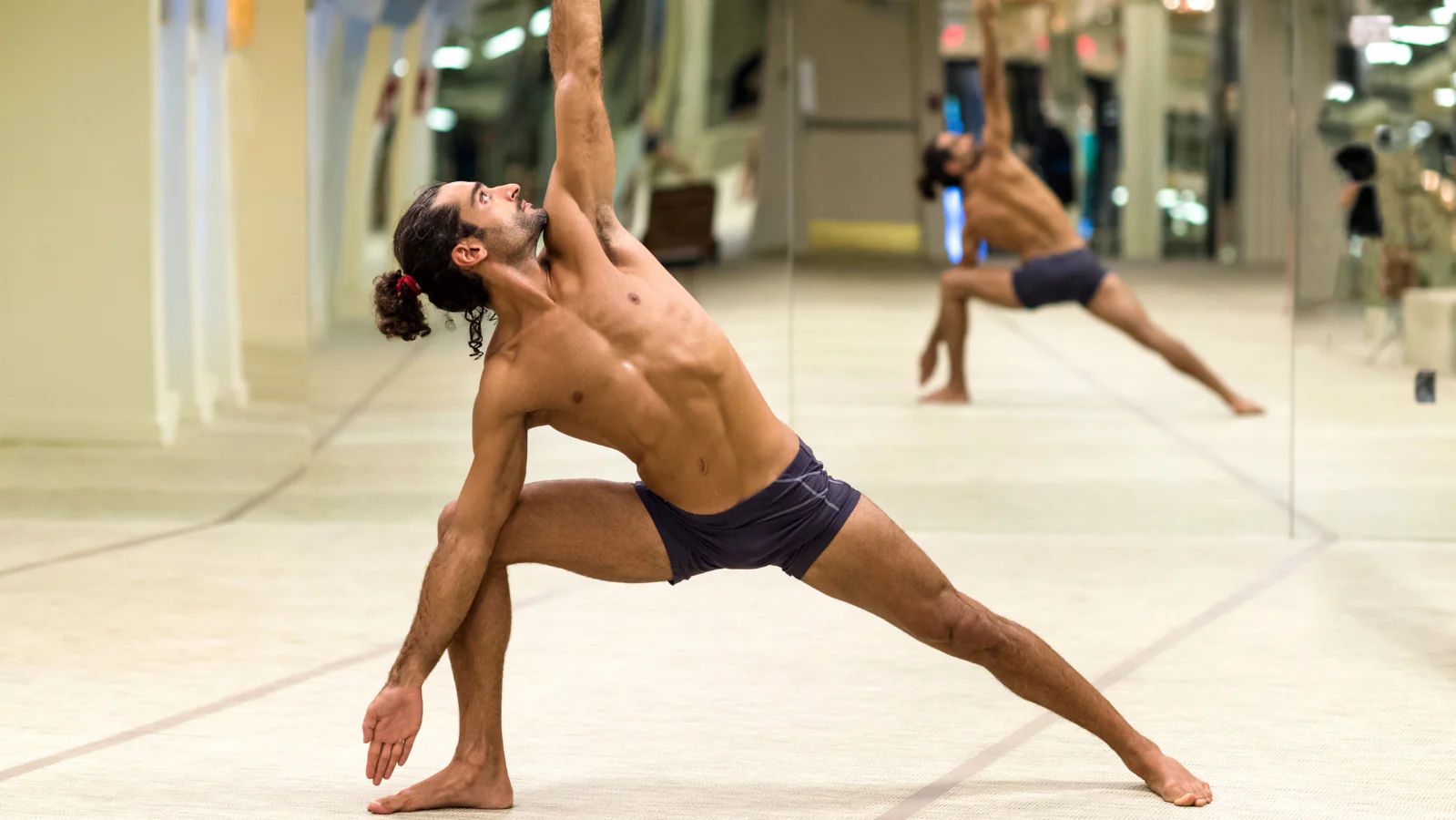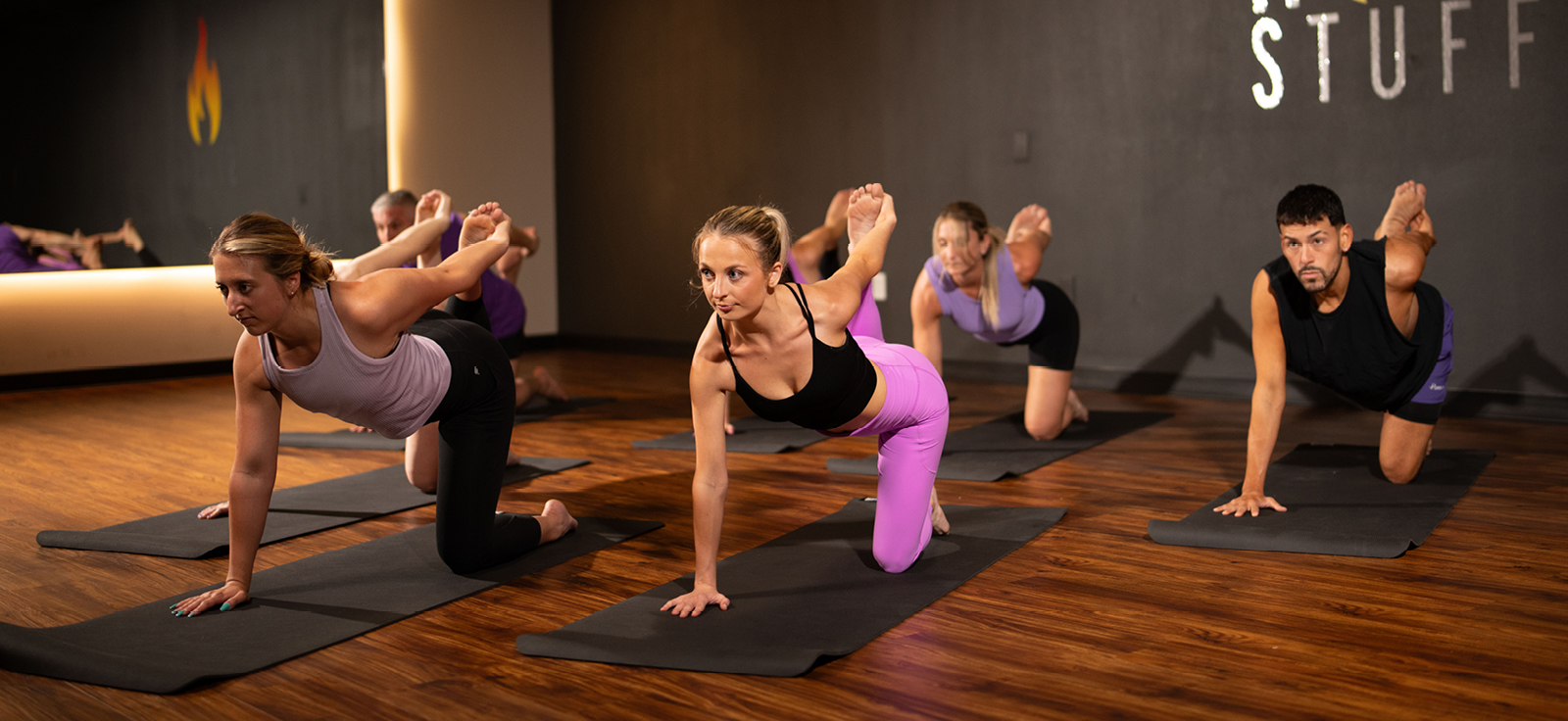
I still remember my first hot yoga class like it was yesterday. The room felt like a sauna, my mat was already slick with sweat before we even started, and I thought, “What have I gotten myself into?” Forty-five minutes in, though, something shifted. My tight hamstrings loosened in a way regular yoga never managed, my mind quieted down, and I left feeling lighter—not just physically, but like I’d sweated out weeks of stress. That was Bikram, but over the years I’ve tried everything from slow, meditative hot yin to fast-flowing power sessions. Hot yoga isn’t one-size-fits-all; it’s a whole family of practices, each with its own personality, temperature, and payoff. If you’re curious which style might click for you, stick around. We’re diving deep into the main types, their unique benefits, and how to pick the one that fits your body and goals.
Understanding Hot Yoga: The Heat Factor and Why It Matters
Hot yoga simply means practicing yoga in a heated room, usually between 80 and 105°F, sometimes with added humidity. The warmth isn’t just for drama—it warms your muscles faster, lets you sink deeper into poses, and gets your heart pumping like a light cardio session. But it’s not magic; the real magic happens when you match the right style to your needs. Some styles crank the heat for serious detox-like sweating, while others keep it gentler for recovery. No matter the flavor, you’ll likely walk away more flexible, focused, and resilient—if you listen to your body and hydrate like your life depends on it.
The Science Behind Hot Yoga Benefits: What Research Shows
Studies back up what practitioners have felt for decades. A 2015 study found Bikram-style sessions improved lower-body strength, range of motion, and balance in healthy adults. Other research links regular hot yoga to better bone density, fat metabolism, reduced stress hormones, and even improved skin elasticity from increased circulation. Mentally, it can ease depression symptoms and boost quality of life, partly because the heat forces you to stay present—there’s no room for your to-do list when you’re dripping sweat in a warrior pose. Of course, it’s not a cure-all, and it’s not for everyone (more on safety later), but the combination of heat, breath, and movement delivers real, measurable wins.
Bikram Yoga: The Pioneering Style That Started It All
Bikram Choudhury created this classic in the 1970s as a 90-minute sequence of 26 poses and two breathing exercises, each done twice in a room heated to 105°F with about 40% humidity. The routine never changes, so you can track your progress pose by pose, week after week. It’s disciplined and predictable, which is exactly why so many people fall in love with it—or run screaming after the first class.
What Makes Bikram (or 26 & 2) Unique
You’ll hear it called “26 & 2” now in many studios because of trademark issues with the original name, but the format stays the same: standing series first, then floor work. The heat and humidity mimic a traditional Indian practice environment, forcing your body to adapt and sweat profusely. It’s not flowy; it’s methodical, almost meditative in its repetition.
Key Benefits of Bikram Yoga
Practitioners often report deeper flexibility, better balance, and a full-body workout that builds endurance without fancy equipment. The consistent sequence trains mental toughness too—staying in the room when your mind screams “escape” is a lesson that spills into everyday life. One study even noted improvements in cardiovascular health and lower-back pain relief after consistent practice.
Pros of Bikram Yoga
- Easy to track progress over time
- Builds discipline and focus
- Comprehensive full-body conditioning
Cons of Bikram Yoga
- Can feel rigid and repetitive
- Extremely intense for beginners
- High heat may not suit everyone
I once watched a friend who hated routine stick with Bikram for six months and transform from stiff office worker to someone who could touch her toes without groaning. The structure was exactly what she needed.
Hot Hatha Yoga: Slow, Steady, and Beginner-Friendly
Hot Hatha takes the traditional slow-paced Hatha approach and adds gentle heat, usually 80-95°F. Poses are held longer with a strong emphasis on alignment, breath, and mindful transitions. It’s less about sweating buckets and more about building a solid foundation.
How Hot Hatha Differs from Other Heated Styles
Unlike flowing sequences, Hot Hatha lets you settle into each posture, using props if needed and focusing on precision. The milder heat still warms muscles but won’t overwhelm newbies.
Primary Benefits of Hot Hatha Yoga
You’ll gain balanced strength and flexibility while improving posture and body awareness. It’s fantastic for stress reduction because the slower pace invites calm breathing and mental stillness. Many people notice better sleep and reduced anxiety after regular sessions.
Pros of Hot Hatha Yoga
- Ideal for beginners and those recovering from injury
- Builds mindful alignment habits
- Promotes deep relaxation
Cons of Hot Hatha Yoga
- Less cardiovascular challenge
- Can feel slow if you crave intensity
A student of mine, a busy mom in her 40s, started here after a back tweak. Within weeks she was standing taller and laughing about how the heat made her finally stop rushing through life.
Hot Vinyasa Yoga: Flowing Movement in the Heat
Hot Vinyasa links breath to movement in creative, flowing sequences, usually at 85-95°F. Teachers design fresh classes each time, so every session feels different while still delivering that signature sweat.
What Sets Hot Vinyasa Apart
The continuous flow keeps your heart rate up and builds heat from within, blending seamlessly with the room temperature. It’s dynamic, creative, and often includes playful transitions or peak poses.
Core Benefits of Hot Vinyasa Yoga
Expect improved cardiovascular fitness, greater endurance, and a meditative “flow state” that quiets the mind. The heat amplifies flexibility gains, and the variety prevents boredom while sculpting lean muscle.
Pros of Hot Vinyasa Yoga
- Keeps you engaged and motivated
- Boosts cardio and coordination
- Highly adaptable to all levels
Cons of Hot Vinyasa Yoga
- Harder to measure progress
- Can overwhelm absolute beginners
I once took a Vinyasa class after a stressful workday and left feeling like I’d danced my worries away—pure joy in motion.
Hot Power Yoga: Strength and Sweat Combined
Hot Power Yoga blends athletic power flows with heat, typically 90-100°F. It’s fast-paced, strength-focused, and often includes core work, inversions, or arm balances for a serious fitness vibe.
Key Characteristics of Hot Power Yoga
Expect continuous movement with minimal rest, emphasizing endurance and muscle engagement. Many studios layer in upbeat music and motivational cues.
Main Benefits of Hot Power Yoga
You’ll torch calories, build serious strength and endurance, and sharpen mental focus under pressure. It’s excellent for weight management and that post-workout endorphin high.
Pros of Hot Power Yoga
- Excellent calorie burn and muscle toning
- Builds mental resilience
- Fun, energizing atmosphere
Cons of Hot Power Yoga
- Demanding on joints if form slips
- Not ideal for complete beginners
One of my regular students, a former athlete, swears it keeps him in better shape than the gym ever did.
Hot Yin Yoga: Deep Release in a Warm Room
Hot Yin Yoga pairs long-held, passive poses (often 3-5 minutes) with milder heat around 80-85°F. It targets connective tissues, fascia, and joints for profound release.
What Makes Hot Yin Special
The heat helps tissues lengthen safely while the stillness invites introspection. Props like bolsters make it accessible and restorative.
Benefits of Hot Yin Yoga
It excels at stress reduction, joint health, and deep flexibility. Many people experience emotional releases and better sleep as tight fascia softens.
Pros of Hot Yin Yoga
- Deeply relaxing and meditative
- Improves mobility in hips and spine
- Gentle on the nervous system
Cons of Hot Yin Yoga
- Slow pace may frustrate dynamic types
- Requires patience and stillness
After a tough breakup, Hot Yin became my sanctuary—holding those poses felt like giving myself permission to let go.
Moksha (Modo) Yoga: Community-Focused and Eco-Conscious
Moksha, now often called Modo, mixes Hatha and Vinyasa in 100-103°F rooms with a strong emphasis on accessibility, community, and environmental responsibility. Classes vary but stay welcoming.
Unique Features of Moksha Yoga
Studios often use sustainable materials and foster a supportive vibe. The heat supports flexibility while the sequencing builds balanced strength.
Benefits of Moksha Yoga
You’ll enjoy flexibility gains, stress management tools, and a sense of belonging. It’s fitness-oriented yet mindful of overall well-being.
Pros of Moksha Yoga
- Inclusive for all levels
- Eco-friendly studio culture
- Combines strength and calm
Cons of Moksha Yoga
- Class formats can vary widely
- May feel less structured
Other Notable Hot Yoga Styles Worth Trying
CorePower Yoga offers leveled, fitness-driven classes in 93-105°F rooms with a modern, community feel. Baron Baptiste Power Yoga emphasizes personal empowerment through heated Vinyasa flows. TriBalance blends Bikram, Vinyasa, and Yin at high heat for a holistic experience. Aerial Hot Yoga uses hammocks for suspended poses that decompress the spine while building core strength. Forrest Yoga (often heated) focuses on core work and emotional healing through longer holds. Each brings its own flavor—pick based on whether you crave community, challenge, or introspection.
Comparing Hot Yoga Styles: Which One Is Right for You?
Here’s a quick side-by-side to help you decide:
| Style | Temp (°F) | Pace & Focus | Best For | Calorie Burn | Flexibility Gain |
|---|---|---|---|---|---|
| Bikram/26&2 | 105 | Structured, static | Discipline & tracking | Medium | High |
| Hot Hatha | 80-95 | Slow, alignment | Beginners & recovery | Low | Medium-High |
| Hot Vinyasa | 85-95 | Flowing, creative | Cardio & variety | High | High |
| Hot Power | 90-100 | Athletic, strength | Fitness enthusiasts | Very High | High |
| Hot Yin | 80-85 | Passive, long holds | Stress relief & deep stretch | Low | Very High |
| Moksha | 100-103 | Mixed, community | All levels & eco-focus | Medium-High | High |
Use this as a starting point—your body will tell you what feels right after a few tries.
People Also Ask: Common Questions About Hot Yoga Types
What is the difference between Bikram and regular hot yoga?
Bikram follows one exact 26-pose sequence in a very hot, humid room. Most other hot yoga classes use varying flows and slightly lower (or sometimes higher) temperatures, giving teachers creative freedom while still delivering the heat benefits.
Is hot yoga better than regular yoga for weight loss?
The heat can increase calorie burn and fat metabolism slightly, but the real driver is consistency and intensity. Hot Power or Vinyasa often edges out traditional yoga here, yet any style paired with a balanced diet works wonders.
Which hot yoga style is best for beginners?
Hot Hatha or gentler Hot Yin sessions are usually safest entry points. They move slower, use less heat, and let you build confidence without feeling overwhelmed.
Can hot yoga help with stress and anxiety?
Absolutely. The combination of breathwork, movement, and heat lowers cortisol and creates a moving meditation. Styles like Hot Yin or Moksha shine here for their calming effects.
How hot is too hot for hot yoga?
Most classes stay 85-105°F. Listen to your body—if you feel dizzy or nauseous, it’s time to step out, regardless of the thermostat.
FAQ: Your Hot Yoga Questions Answered
How often should I practice hot yoga?
Start with 2-3 times per week and listen to your body. Many people thrive on 3-5 sessions, allowing recovery days to prevent overtraining or dehydration.
Do I need special gear for hot yoga?
A non-slip yoga mat (or towel mat), plenty of water, and a hand towel are essentials. Wear light, moisture-wicking clothes and leave cotton at home—it gets heavy when wet.
Is hot yoga safe during pregnancy?
Most experts recommend avoiding it, especially high-heat styles, due to overheating risks. Opt for gentle, unheated prenatal yoga instead and always check with your doctor.
Will hot yoga make me more flexible faster?
Yes, the heat helps muscles and tissues lengthen more easily, but consistency and proper form matter more than temperature alone.
What should I eat or drink before a hot yoga class?
A light snack 1-2 hours before and 16 ounces of water about two hours prior. Skip heavy meals and caffeine to avoid discomfort in the heat.
Hot yoga has changed how I move through the world—more patient, stronger, and honestly happier. Whether you crave the discipline of Bikram, the creative flow of Vinyasa, or the deep surrender of Yin, there’s a style waiting to meet you exactly where you are. Grab a mat, find a local studio (many offer intro specials), and give one a try this week. Your body—and mind—will thank you. The heat is just the beginning; the real transformation happens on the mat.