Picture this: you’re in a quiet studio, feet planted firmly on the mat, and the teacher isn’t cueing a fast flow or urging you to “push deeper.” Instead, they’re gently adjusting a block under your hand, reminding you to lift your chest just a fraction more while your breath stays steady. That single moment of precise alignment hits differently. It’s not flashy, yet it feels profoundly right. That’s Iyengar Yoga in a nutshell—the style that taught me (and thousands like me) that yoga isn’t about bending like a pretzel but about truly inhabiting your body with awareness. If you’ve ever wondered why your back feels better after one class or why your mind quiets when everything else is chaotic, keep reading. We’re diving deep into what makes this method so powerful, practical, and accessible.
The Origins and History of Iyengar Yoga
Iyengar Yoga traces its roots to the ancient teachings of Patanjali’s Yoga Sutras, but it took modern shape through one remarkable man’s lifelong dedication. B.K.S. Iyengar, born in 1918 in the small village of Bellur, India, grew up frail and sickly, battling malaria and other illnesses that left him weak. At age 16, his brother-in-law—the legendary yogi T. Krishnamacharya—introduced him to yoga as a path to healing. What started as survival became a 75-year journey of refinement. By the 1970s, Iyengar had developed a distinct system that spread worldwide, thanks in part to his groundbreaking book Light on Yoga (1966), often called the “bible of yoga.” Today, certified Iyengar teachers follow his methodical blueprint, blending physical precision with deeper philosophical roots.
Who Was B.K.S. Iyengar and Why Does He Matter?
B.K.S. Iyengar wasn’t born into privilege or destined for fame—he earned every bit of his influence through raw perseverance. After moving to Pune in 1936 to teach, he faced skepticism and physical limitations himself, yet he practiced relentlessly, often for hours daily. His big break came when violinist Yehudi Menuhin sought him out in 1952; their sessions led to global tours and Menuhin’s foreword to Light on Yoga. Iyengar’s genius lay in making ancient practices safe and scalable for everyday people, not just the ultra-flexible. He passed away in 2014 at 95, but his legacy lives in studios from Pune to New York. I still catch myself quoting his words when a student doubts their progress: “Yoga is like music—the rhythm of the body, the melody of the mind.”
Core Principles That Define Iyengar Yoga
At its heart, Iyengar Yoga revolves around three non-negotiable pillars: alignment, precision, and timing. Every pose gets broken down into micro-actions—where your heels press, how your thighs rotate, even the subtle lift of your inner ankles. This isn’t rigid perfectionism; it’s intelligent awareness that prevents injury and unlocks deeper benefits. Teachers sequence classes progressively, building skill layer by layer so you never feel lost or rushed. The result? You leave class not just stretched but recalibrated, body and mind working as one.
Why Alignment and Precision Change Everything
Alignment in Iyengar isn’t about looking Instagram-perfect—it’s about integrity. When your skeleton stacks correctly, muscles work efficiently, joints stay safe, and energy flows freely. Precision means paying attention to the smallest details: the outer edge of your foot in Triangle Pose or the even rotation of both arms in Warrior II. I remember my first class where the teacher spent five full minutes on my feet alone. It felt tedious until I stood up and realized my hips had opened without forcing anything. That “aha” moment is pure Iyengar magic.
The Smart Use of Props in Iyengar Yoga
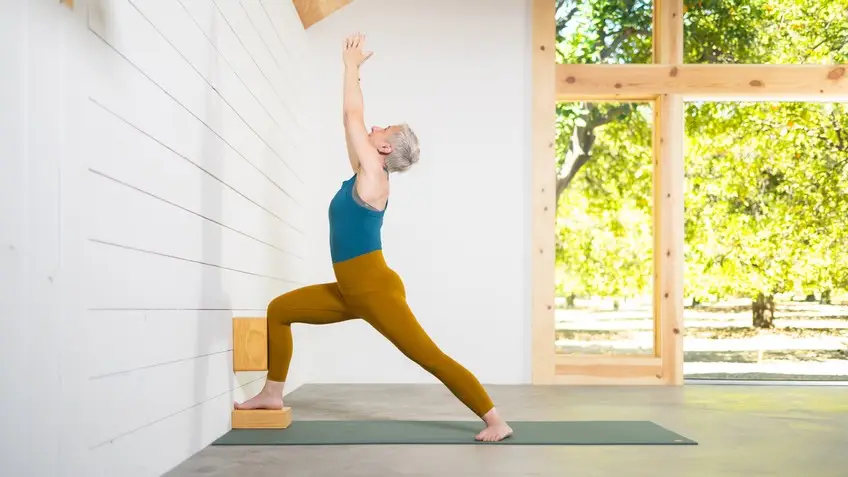
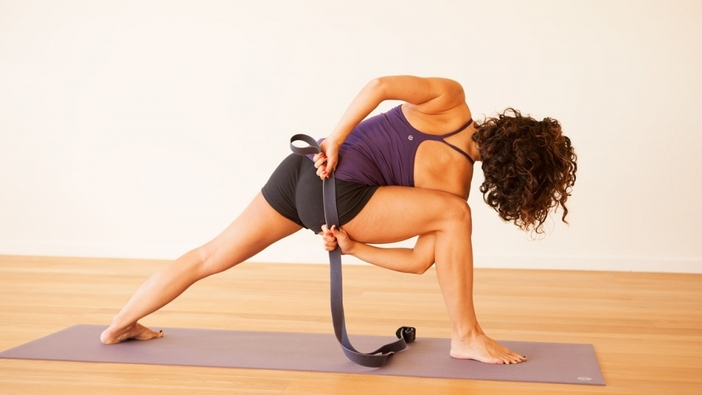
Props aren’t crutches in Iyengar Yoga—they’re intelligent teachers. Bolsters, blocks, straps, blankets, chairs, and even wall ropes help you access the full expression of a pose safely, whether you’re 25 or 75. B.K.S. Iyengar invented many himself after years of experimentation. A block under your hand in a standing forward bend teaches spinal length before flexibility catches up. Humorously, I once joked with a classmate that my bolster was basically a “yoga couch,” but it let me hold a restorative pose long enough for my nervous system to finally exhale. Props make the practice inclusive without watering it down.
How Iyengar Yoga Differs from Other Popular Styles
Iyengar stands apart because it slows everything down on purpose. While Vinyasa flows breath-to-movement and Ashtanga follows fixed, sweaty sequences, Iyengar holds poses longer—sometimes a full minute or more—to build strength, stamina, and awareness. Hatha might feel similar at first glance, but Iyengar’s emphasis on props and detailed cues sets it apart. Here’s a quick comparison to help you see where it fits:
| Style | Pace & Flow | Props Used? | Focus Area | Best For |
|---|---|---|---|---|
| Iyengar | Slow, held poses | Yes, extensively | Alignment & precision | All levels, injuries, beginners |
| Vinyasa | Dynamic, breath-linked | Sometimes | Fluid movement | Cardio lovers, creative sequencing |
| Ashtanga | Fixed series, vigorous | Rarely | Strength & discipline | Athletes seeking routine |
| Hatha | Gentle, balanced | Optional | Basics & relaxation | Newcomers wanting foundations |
This table shows why Iyengar often becomes the “gateway” style—once you master alignment here, other practices feel easier and safer.
Key Iyengar Yoga Poses and How to Approach Them
Beginners often start with standing poses like Tadasana (Mountain Pose) or Utthita Trikonasana (Triangle Pose) because they build foundational alignment. Inversions such as Supported Shoulderstand use walls or chairs for safety. Seated forward bends get bolster support to protect the lower back. The beauty? Each pose teaches something transferable to daily life—like how proper foot placement in Virabhadrasana (Warrior) mirrors confident posture at your desk. Teachers sequence intelligently, mixing standing, seated, inversions, and backbends so the body stays balanced.
The Transformative Benefits of Iyengar Yoga
Practitioners report everything from reduced chronic back pain to better sleep and sharper focus. The methodical holds strengthen muscles evenly while the emphasis on breath calms the nervous system. Studies even link it to relief for osteoarthritis, carpal tunnel, and depression symptoms. Personally, after a stressful workweek, one Iyengar class resets my posture and mood faster than any massage. It’s not hype—it’s the cumulative effect of precise practice over time.
Pros and Cons of Practicing Iyengar Yoga
Pros:
- Extremely safe and therapeutic for injuries or limitations
- Builds deep body awareness and prevents future problems
- Accessible to every age and body type
- Develops patience, focus, and mental clarity
- Progressive system that grows with you for life
Cons:
- Can feel slow or detail-heavy if you crave fast flows
- Requires patience—progress isn’t always visible immediately
- Finding certified teachers may be harder in smaller towns
- Props can feel cumbersome at first (though you adapt quickly)
The pros far outweigh the cons for most people seeking sustainable practice.
Who Can (and Should) Practice Iyengar Yoga?
Literally everyone. Seniors use chairs and walls for balance. Athletes refine their form to prevent overuse injuries. Busy parents find five-minute home sequences that ground them. Pregnant women adapt poses safely with props. I’ve seen teenagers with scoliosis stand taller after months of practice and 80-year-olds regain confidence in their bodies. The method’s genius is its adaptability without compromise.
What a Typical Iyengar Yoga Class Looks Like
Classes follow a clear structure: warm-up standing poses, then seated or supine work, perhaps inversions or backbends, and always end with Savasana. Teachers demonstrate, then walk the room offering verbal cues and hands-on adjustments when needed. Expect clear, anatomical language—no vague “feel the stretch.” One hour flies by because your mind stays fully engaged. Beginners start in Level 1; experienced students progress to more advanced sequencing.
Finding Certified Iyengar Teachers and Resources
Look for CIYT (Certified Iyengar Yoga Teacher) credentials—the training is rigorous and standardized worldwide. Organizations like the Iyengar Yoga National Association of the United States (IYNAUS) maintain directories of approved studios. Online platforms offer intro series, but in-person is ideal for hands-on guidance. Start with their official site for workshops or the classic Light on Yoga for home reference. Many cities now host regular drop-in classes—Google “Iyengar Yoga near me” and check teacher bios.
Common Misconceptions About Iyengar Yoga
Some assume it’s only for stiff people or that props mean it’s “easy.” Wrong on both counts. It challenges advanced practitioners with subtle refinements most styles overlook. Others think it’s purely physical—yet the breath and mindfulness woven in make it profoundly meditative. And no, you don’t need to be flexible to begin; flexibility is the outcome, not the prerequisite.
People Also Ask About Iyengar Yoga
Is Iyengar Yoga good for beginners?
Absolutely. The slow pace and props make it welcoming, while detailed instruction builds confidence fast.
How long do you hold poses in Iyengar Yoga?
Often 30 seconds to several minutes, depending on the pose and level—long enough to build strength without strain.
Do I need special props to start?
Basic ones like a block, strap, and blanket work wonders. Many studios provide them; household items can substitute at home.
Can Iyengar Yoga help with back pain?
Yes—alignment-focused work often relieves chronic issues by strengthening supporting muscles and improving posture.
Is Iyengar Yoga spiritual or just exercise?
It honors the full eight limbs of yoga, so it can deepen into philosophy while staying practical on the mat.
FAQ: Your Most Common Iyengar Yoga Questions Answered
How often should I practice Iyengar Yoga?
Two to three times weekly delivers noticeable results. Consistency matters more than duration—short daily sessions beat sporadic long ones.
What should I wear and bring to class?
Comfortable, fitted clothing that lets you move freely. Bring a yoga mat; studios supply props.
Can Iyengar Yoga help with stress and anxiety?
Definitely. The mindful breath and sustained holds activate the parasympathetic nervous system, leaving you calmer.
Is there a difference between Iyengar and regular Hatha?
Iyengar is a highly refined form of Hatha with stricter alignment standards and props as standard tools.
How do I know if I’m doing it “right”?
Listen to your teacher’s cues and notice how your body feels—steady breath and no pain are your best guides.
Iyengar Yoga isn’t just another workout trend. It’s a lifelong toolkit for moving better, feeling stronger, and thinking clearer. Whether you’re nursing an old injury, craving mental stillness, or simply curious about alignment, this method meets you exactly where you are and gently guides you forward. Grab a block, find a certified class, and give it one honest try. Your body—and your future self—will thank you. The poses may look simple on the outside, but inside they’re rewriting how you show up in the world. Ready to experience it for yourself?