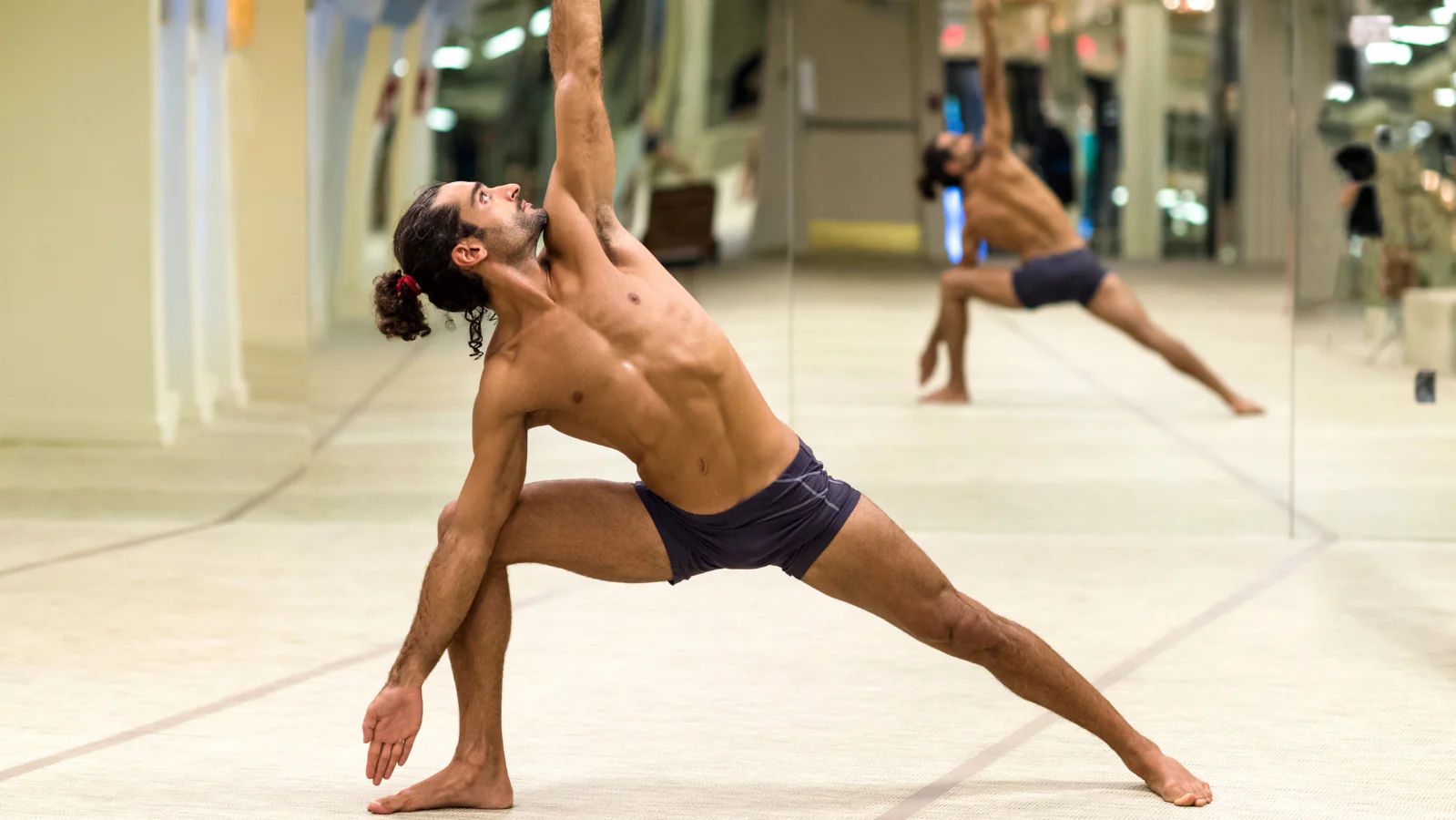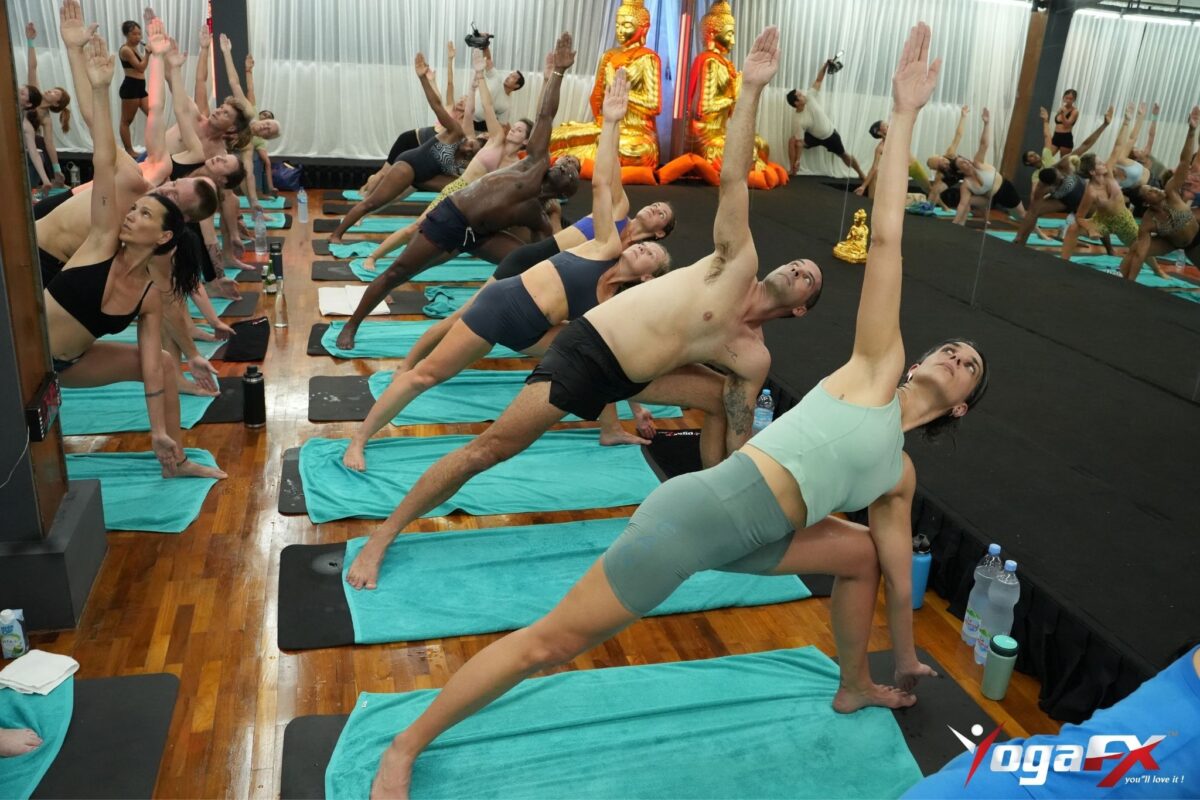
Picture this: You step into a room that feels like a steamy tropical jungle—105°F, 40% humidity, mirrors on every wall, and a carpet under your feet that’s already warm. Within minutes, sweat is pouring off you like never before, yet you’re moving through the exact same sequence of poses your neighbor two mats over is doing. No music, no fancy flows, just a steady voice guiding you through 90 minutes that leave you feeling wrung out, stronger, and strangely calm. That’s Bikram Yoga in a nutshell—the original hot yoga that exploded in popularity decades ago and still sparks curiosity (and a bit of debate) today.
If you’ve ever wondered what makes this style so unique or whether it’s worth trying, you’re in the right place. We’ll break down everything from its fiery origins to the real benefits, the honest risks, and how it stacks up against other hot yoga classes. Whether you’re a total beginner hunting for your first studio or a seasoned yogi curious about the 26+2 sequence, this guide covers the search intent head-on: what it is, how it works, where to find it, and if it actually delivers. Let’s dive in.
Defining Bikram Yoga: The Basics
Bikram Yoga is a precise, unchanging system of 26 postures and two breathing exercises performed in a heated studio for exactly 90 minutes. Created to mimic India’s climate, the room stays at 105°F with 40% humidity, which warms muscles fast and encourages deep sweating. Every class follows the same script—no improvisation, no playlists—just mirrors, focus, and repetition that builds strength, flexibility, and mental grit.
The Man Behind the Method: Bikram Choudhury’s Story
Bikram Choudhury was born in Calcutta in 1944 and started yoga young under guru Bishnu Ghosh. By his teens he was winning national championships in India. He arrived in the United States in the early 1970s, teaching at health resorts before opening his first studio in Los Angeles in 1974 with help from celebrity students like Shirley MacLaine. What began as donation-based classes quickly turned into a global empire of studios and teacher trainings.
From Calcutta Roots to American Phenomenon
Ghosh’s teachings emphasized therapeutic yoga for the masses. Bikram distilled hundreds of poses into a 26-posture series designed for beginners yet challenging enough for athletes. He trademarked the name and dialogue, insisting every certified studio replicate the exact heat, mirrors, and carpeted floors. By the mid-2000s, thousands of studios operated worldwide before scandals and legal battles changed everything.
Inside the Bikram Yoga Room: Heat, Humidity, and Mirrors
Walk in and the heat hits you like a wall. The 105°F temperature and 40% humidity replicate India’s monsoon conditions, supposedly allowing deeper stretches and toxin release through sweat. Wall-to-wall mirrors force you to watch your alignment, while the carpet keeps feet grounded. Instructors deliver a standardized dialogue, sometimes adjusting students physically. It’s intense, but that controlled environment is what sets it apart.
The Signature 26+2 Sequence: A Step-by-Step Breakdown
The entire practice revolves around one fixed sequence—26 postures (24 asanas plus two pranayama breathing exercises) done in the same order every single time. You repeat most standing poses twice, take savasana (corpse pose) between sections, and finish with a final breathing exercise. The repetition lets you track progress week after week, turning the practice into a personal laboratory.
The Standing Series: Building Strength and Balance
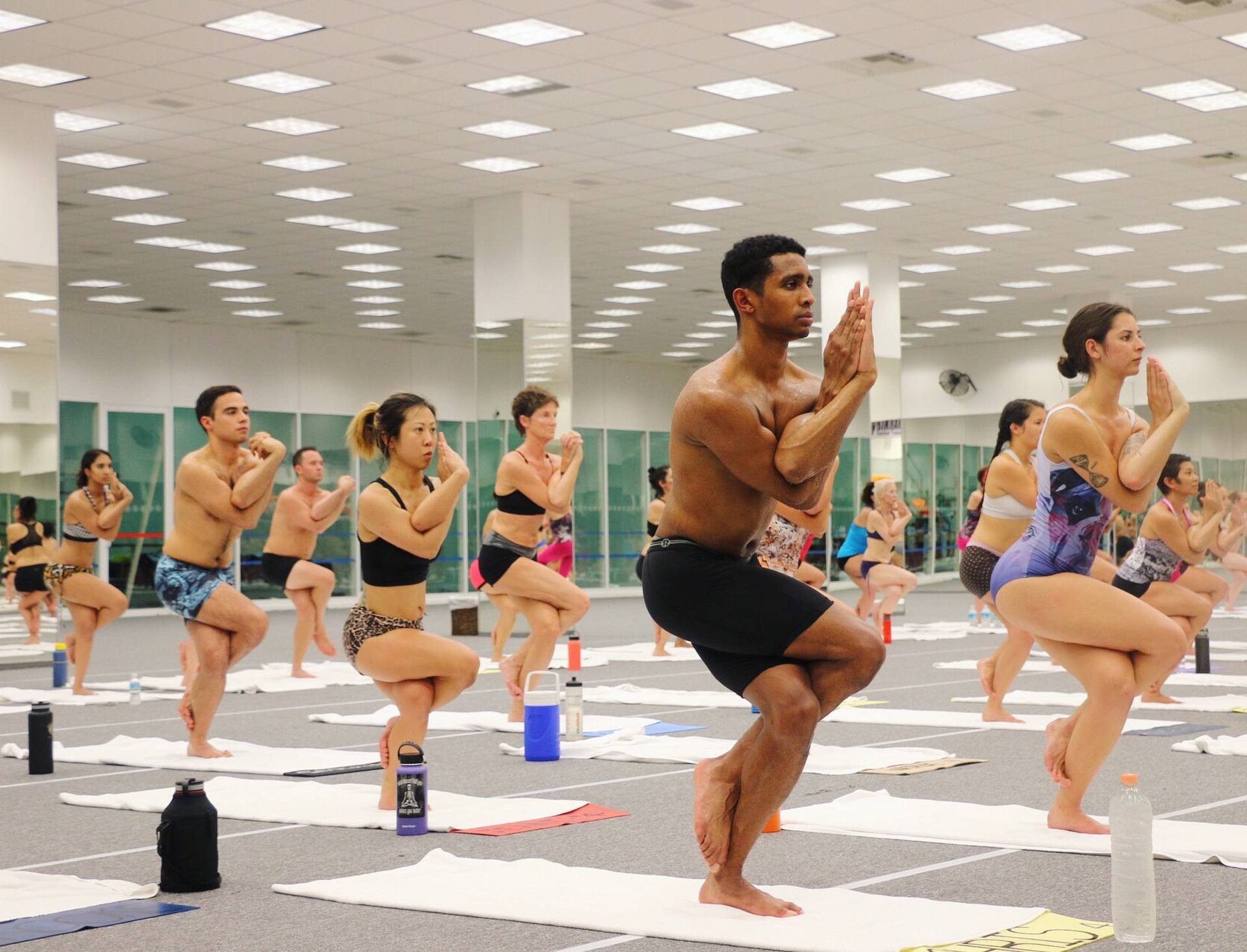
The first half focuses on standing poses that fire up your legs, core, and focus. From Half Moon to Balancing Stick, these moves challenge balance while strengthening the entire body. The heat makes muscles pliable, so even tight athletes often find new range. I still remember my first class—my legs shook like jelly in Awkward Pose, but by the third week I could hold it without wobbling. That’s the magic of consistent practice.
Here’s the full standing series for quick reference:
- Standing Deep Breathing (Pranayama)
- Half Moon Pose with Hands to Feet (Ardha Chandrasana with Pada Hastasana)
- Awkward Pose (Utkatasana)
- Eagle Pose (Garudasana)
- Standing Head to Knee (Dandayamana Janushirasana)
- Standing Bow Pose (Dandayamana Dhanurasana)
- Balancing Stick (Tuladandasana)
- Standing Separate Leg Stretching (Dandayamana Bibhaktapada Paschimottanasana)
- Triangle Pose (Trikonasana)
- Standing Separate Leg Head to Knee (Dandayamana Bibhaktapada Janushirasana)
- Tree Pose (Tadasana)
- Toe Stand (Padangusthasana)
The Floor Series: Deep Stretches and Detox
After a long savasana, you drop to the floor for backbends, forward folds, and twists. Cobra, Locust, Camel, and Rabbit work the spine from every angle while compressing and flushing organs. The sequence ends with Kapalabhati breathing—quick, powerful exhales that feel like a mental reset. By the final savasana you’re drenched, exhausted, and oddly peaceful.
Full floor series:
- Corpse Pose (Savasana)
- Wind-Relieving Pose (Pavanamuktasana)
- Sit-Up (Padahastasana)
- Cobra Pose (Bhujangasana)
- Locust Pose (Salabhasana)
- Full Locust Pose (Poorna Salabhasana)
- Bow Pose (Dhanurasana)
- Fixed Firm Pose (Supta Vajrasana)
- Half Tortoise Pose (Ardha Kurmasana)
- Camel Pose (Ustrasana)
- Rabbit Pose (Sasangasana)
- Head to Knee Pose with Back Stretching (Janushirasana with Paschimottanasana)
- Half Lord of the Fishes Pose (Ardha Matsyendrasana)
- Kapalabhati (Skull Shining Breath)
Why the Heat? The Science and Tradition Behind 105 Degrees
Bikram believed heat warms muscles like taffy, letting you stretch safely while sweating out impurities. Modern research partially agrees: the temperature raises heart rate and improves flexibility faster than room-temperature yoga. A 2015 review found measurable gains in range of motion after just eight weeks. Yet the heat also demands respect—hydration becomes non-negotiable.
Proven Benefits of Bikram Yoga: What Research Shows
Regular practitioners swear by it, and science backs some claims. Studies show real improvements in strength, flexibility, and balance. One randomized trial reported significant lower-body strength gains and better single-leg balance. Non-randomized trials noted better glucose tolerance, lower cholesterol in some groups, and even increased bone density in premenopausal women.
Physical Benefits Backed by Studies
- Strength and Flexibility: Eight-week programs increased deadlift strength and sit-and-reach scores dramatically.
- Balance and Posture: One-leg holds translate to better everyday stability.
- Cardio and Metabolism: Sessions burn 300–450 calories; some participants saw improved arterial health and insulin sensitivity.
- Weight Management: Sweat plus muscle engagement can support fat loss when paired with healthy eating.
Mental and Emotional Perks
The mirrored focus quiets the mind—no phone, no distractions. Many report lower stress and better sleep. One study linked regular practice to higher mindfulness scores and fewer perceived stressors. For me, that final savasana feels like hitting reset after a chaotic week.
Potential Downsides and Risks: Is Bikram Yoga Safe for Everyone?
It’s not all sunshine and sweat. The extreme heat can lead to dizziness, nausea, or dehydration if you’re not careful. Rare cases of hyponatremia (from over-drinking water) or heat-related issues have been documented. People with heart conditions, high blood pressure, or pregnancy should check with a doctor first.
Who Should Skip or Modify Bikram Yoga
- Beginners with no heat tolerance
- Anyone with joint injuries (certain poses compress knees or spine)
- People prone to heat exhaustion
- Those on medications affecting temperature regulation
Start slow, listen to your body, and leave ego at the door.
Pros and Cons of Bikram Yoga
Pros:
- Predictable sequence lets you measure progress easily
- Heat boosts flexibility faster
- Full-body workout in one 90-minute class
- Builds mental discipline through discomfort
- Community feel in mirrored rooms
Cons:
- Intense heat not suitable for everyone
- Risk of dehydration or overheating
- Repetitive nature can feel boring long-term
- Past scandals make some studios rebrand
- Expensive teacher trainings and studio fees
Bikram Yoga vs. Other Hot Yoga Styles: Key Differences
Not all hot yoga is Bikram. While general hot yoga might flow through vinyasa sequences at varying temperatures, Bikram sticks to one script.
| Feature | Bikram Yoga | General Hot Yoga |
|---|---|---|
| Sequence | Fixed 26+2, same every time | Varies by teacher and style |
| Temperature | Exactly 105°F / 40% humidity | 80–105°F, humidity flexible |
| Room Setup | Mirrors + carpet mandatory | Often no mirrors, different flooring |
| Dialogue | Standardized script | Instructor’s own cues |
| Focus | Therapeutic, beginner-friendly | Can be flow, power, or restorative |
| Certification | Strict Bikram training | Various hot yoga certifications |
If you crave structure, Bikram wins. If you want variety, try hot vinyasa instead.
Getting Started: Tips for Your First Bikram Yoga Class
Show up hydrated, not full. Wear minimal, moisture-wicking clothes—think shorts and a sports bra or tank. Bring two towels (one for mat, one for face) and a large water bottle. Arrive 15 minutes early to acclimate to the heat. Your first class will feel brutal—expect to sit out a pose or two. That’s normal.
What to Bring and Wear
Pack a yoga mat (some studios rent them), towel, water, and maybe a change of clothes for after. Skip heavy perfumes or lotions—the heat amplifies smells. Light, breathable fabrics prevent chafing when you’re dripping.
Finding Authentic Bikram or 26+2 Classes Near You
Many studios dropped the “Bikram” name after controversies but still teach the 26+2 sequence under “Original Hot Yoga” or “26&2.” Search online for “26+2 yoga near me” or check apps like Mindbody. Certified teachers usually list their training. In bigger cities you’ll find multiple options—visit a few to feel the vibe.
The Controversies That Shook the Bikram Empire
Bikram Choudhury faced multiple lawsuits alleging sexual harassment, assault, and discrimination. He left the U.S. in 2016 amid judgments totaling millions. The 2019 Netflix documentary Bikram: Yogi, Guru, Predator brought it all to light. Studios rebranded, and many teachers distanced themselves while keeping the sequence alive.
Separating the Practice from the Person
The poses themselves remain powerful regardless of the founder’s actions. Plenty of instructors now teach 26+2 with integrity, focusing on the therapeutic roots from Ghosh. You can enjoy the practice ethically—choose studios that support safe, inclusive environments.
Is Bikram Yoga Still Worth It in 2026?
Absolutely, if it fits your body and goals. The sequence hasn’t changed because it works for millions. Studios have evolved—more emphasis on consent, modifications, and community. Whether you’re chasing flexibility, stress relief, or a serious sweat session, consistent practice delivers results.
People Also Ask About Bikram Yoga
What are the 26 poses in Bikram yoga?
They’re the exact sequence listed earlier—starting with Standing Deep Breathing and ending with Kapalabhati. Every class repeats them in order so you can track improvements.
Is Bikram yoga good for weight loss?
It can help when combined with diet. Sessions burn serious calories and build muscle, but results depend on consistency and lifestyle.
How hot is a Bikram yoga room?
Precisely 105°F with 40% humidity. Some studios vary slightly but stick close for authenticity.
Can beginners do Bikram yoga?
Yes! The dialogue is beginner-friendly, and you’re encouraged to rest or modify. Just go slow the first few times.
What’s the difference between Bikram and hot yoga?
Bikram is a trademarked, fixed sequence in specific conditions. Hot yoga is any yoga in a heated room—more creative and varied.
Frequently Asked Questions
How often should you practice Bikram yoga?
Three times a week is ideal for beginners. Daily practice is common among dedicated students, but listen to your body and rest when needed.
Does Bikram yoga help with back pain?
Many practitioners report relief from the spinal twists and backbends. Studies show improved flexibility, but see a doctor for chronic issues.
Is the heat dangerous?
Not if you hydrate and ease in. Most people adapt after a few classes. Always leave if you feel faint.
Do you need special training to teach Bikram yoga?
Traditional certification required the nine-week Bikram teacher training. Today many 26+2 teachers train through other programs.
Will Bikram yoga make me more flexible?
Yes—research confirms significant range-of-motion gains, especially in hamstrings, shoulders, and spine.
Bikram Yoga isn’t just another workout—it’s a disciplined, transformative experience that tests your limits and rewards consistency. Whether you chase the classic 105-degree room or a rebranded 26+2 class, the practice has helped countless people build stronger bodies and calmer minds. The key? Show up, breathe through the heat, and stay curious. Your first savasana after a killer class might just become your new favorite part of the week. Ready to roll out your mat? Your body (and mind) will thank you.